
A team’s uniform is more than just a way to make sure everyone looks the same. It develops brand awareness, develops a professional image, and makes employees feel like they are part of the company. However, selecting which type of decoration will best suit your design can be challenging. Some designs would be much more effective if you had them embroidered, whereas other designs require the precision and colour that you can only get from printing.
The best part about this is that there’s no need to pick between methods. By using both custom embroidery and DTF printing together, you can design uniforms that are visually appealing, functional, and accurately reflect your organisation’s image.
Why Combine Embroidery and DTF Printing?
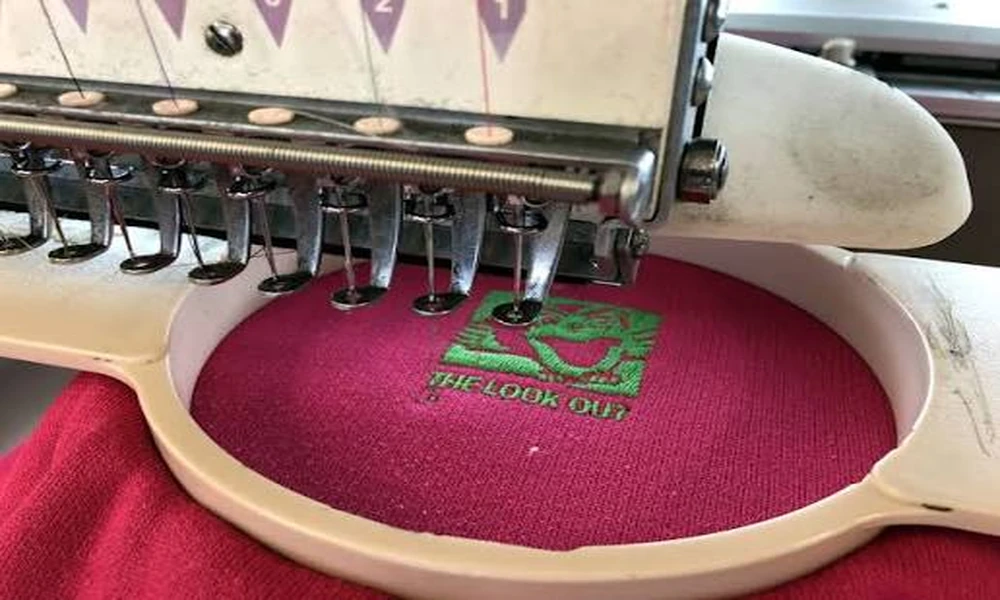
Embroidery creates a design by sewing with thread onto the fabric. The result is a raised, textured look to the logo which gives it a professional appearance. For this reason, embroidery is a common method used to create business names and basic logos on shirts, jackets and hats.
DTF Printing utilises a printed film to transfer the image/design onto fabric. It is capable of handling intricate details, vibrant colours, gradients, and complicated designs. Due to these capabilities, DTF Printing is an excellent choice for large-scale graphics and highly detailed artwork.
By using custom embroidery in Melbourne and DTF printing, companies can use the advantages of both techniques. Companies can use each method where they believe they will achieve the best results.
Where Should Each Method Be Used?
It’s important to have a plan for your design prior to starting the manufacturing process. Take time to think about the size, location, and reason behind each logo or graphic you will be using.
For example, a uniform could feature:
- An embroidered company logo on the left chest.
- A printed slogan or graphic across the back.
- An embroidered name or role on the sleeve.
- A colourful DTF design on the front or side panel.
This approach allows for a clean design of the main branding while giving you the opportunity to create more interesting designs for other parts of your website.
When you are designing DTF printing Melbourne, think about how your print will look next to any stitched designs. The colours, layout, and size of both designs need to complement each other and not try to take focus away from one another.
Choose the Right Garments and Placement
Not all types of fabric will be suitable for each type of decorative process. For example, embroidery works best with heavier weight fabrics, whereas DTF transfers are suitable for most of today’s common uniform fabrics. Additionally, the type of fabric (texture/stretch), as well as the way it is cared for, may have an impact on the end product.
Request that your supplier review the garment prior to production. If you have ordered uniforms for an entire team it may be best to obtain a sample.
If you’re looking for a custom embroidery company that is experienced with providing custom embroidery Melbourne, they will assist you in selecting the right garment, the proper colour of thread, and the correct placement of your logo. This assists in creating a uniform look among all of your various uniform options.
Make One Uniform Order Work Harder
Using both techniques can help to create more flexible uniforms. Employees will be able to wear the exact same branded clothing line for various job positions, yet have uniform designs that are appropriate for each role.
In addition to providing detailed artwork for DTF printing in Melbourne, a supplier of DTF printing may also provide an embroidered effect with a long-lasting, textured finish to key branding areas. When planning for both methods, there are advantages to using them as part of a single strategy. This includes avoiding mismatched colours and uneven placement.
