
Healthy-looking skin is rarely the result of one product or a complicated beauty routine. Consistent habits, suitable skincare products, and proper cleansing all contribute to how the skin looks and feels. Throughout the day, the face comes into contact with sweat, excess oil, sunscreen, makeup, environmental particles, and other impurities. If these substances are not removed properly, they can contribute to a dull appearance, clogged pores, and an uncomfortable skin texture.
Cleansing is therefore one of the most important steps in everyday skincare. However, washing the face and performing a more targeted cleansing treatment are not necessarily the same thing. A thoughtful routine can combine a gentle daily cleanser with occasional treatments designed to address specific concerns, such as visible congestion or uneven texture.
Understanding how these steps work together makes it easier to build a routine that supports the skin without overwhelming it.
Why Proper Cleansing Matters
The skin has a natural barrier that helps protect it from external irritants and reduces moisture loss. Everyday cleansing should remove unwanted surface buildup while respecting this protective barrier. Using products that are too harsh or washing too frequently may leave the face feeling tight, dry, or irritated.
A suitable cleanser helps remove accumulated oil, perspiration, makeup, and sunscreen. It also prepares the skin for the next steps in a skincare routine, allowing moisturizers and other products to be applied to a clean surface.
The right cleansing method depends on individual needs. Someone with oily skin may prefer a lightweight gel cleanser, while a person with dry or sensitive skin may find a creamy, fragrance-free formula more comfortable. Combination skin can benefit from a balanced product that cleans without leaving different areas feeling excessively dry or oily.
The objective should not be to make the skin feel completely stripped of oil. Instead, cleansing should leave it feeling comfortable, fresh, and clean.
Also read about The Facial Menu Is Not Your Consultation
Daily Cleansing Versus Deep Cleansing
Daily cleansing and deep cleansing serve related but different purposes. A regular facial cleanser is generally used to remove everyday surface impurities. A more targeted treatment may focus on areas where excess oil, dead skin cells, or visible congestion are common concerns.
Deep cleansing should not automatically mean using stronger products or applying more pressure. Excessive scrubbing can irritate the skin and may make existing sensitivity more noticeable. A better approach is to select a suitable method and follow its instructions carefully.
A balanced cleansing routine can include:
- Washing the face with a gentle cleanser in the morning and before bed, adjusting frequency when the skin needs a different approach.
- Removing makeup and sunscreen thoroughly rather than relying on water alone.
- Using targeted treatments according to product instructions and personal skin tolerance.
- Applying moisturizer after cleansing to help maintain skin comfort.
- Wearing broad-spectrum sunscreen during the day to protect exposed skin.
Consistency is more useful than constantly switching between new products. Give a routine enough time to assess how the skin responds, and introduce new treatments gradually.

How Facial Cleansing Technology Can Support a Skincare Routine
Skincare technology has introduced different tools designed to complement traditional cleansing habits. These devices may use vibration, gentle surface contact, or other technologies to support specific steps in a facial care routine.
A facial device should be selected according to its intended purpose, design, and compatibility with the user’s skin. It is not a replacement for a suitable cleanser, moisturizer, or sunscreen. Instead, it may provide an additional step for people who want to make their skincare routine more targeted.
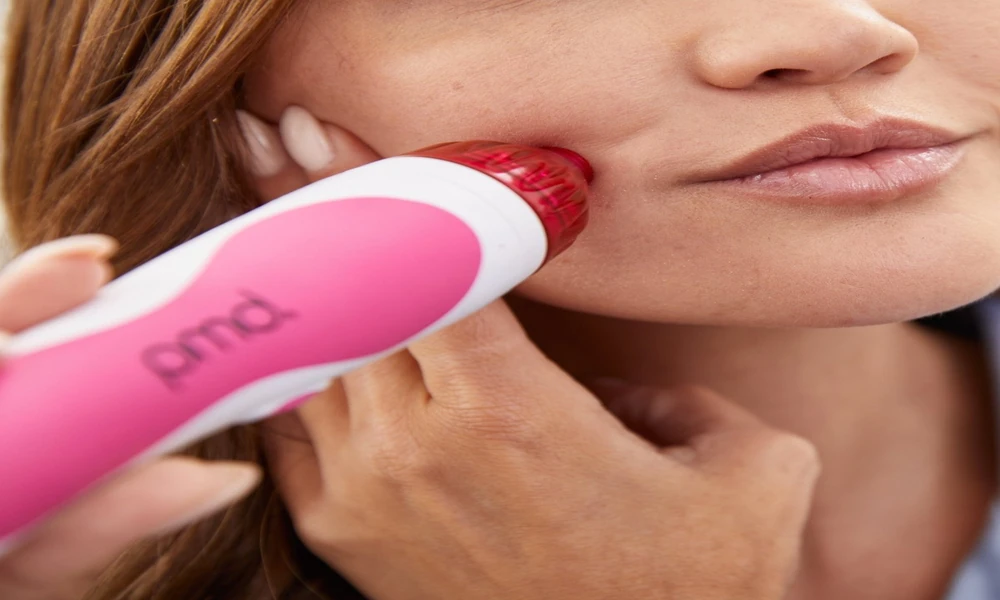
One example is the transformative deep cleansing approach offered by the PMD Wave Pro. The device combines three modes designed for different skincare steps: Extract, Infuse, and Lift. Its Extract Mode uses SonicGlow technology, while Infuse Mode is designed to support the application of skincare products. Lift Mode uses E-Wave technology to provide a facial toning treatment.
These functions have different purposes, so users should understand each mode before incorporating the device into their routine. Following the manufacturer’s instructions is particularly important when using an electronic facial tool.
Understanding the Three Treatment Modes
The three modes are intended to address different parts of a skincare routine rather than perform exactly the same function.
Extract Mode: This mode is designed to help remove surface buildup and address the appearance of congested pores. The device should be used on clean, damp skin, following the recommended technique. Applying excessive pressure or repeatedly treating the same area is unnecessary.
Infuse Mode: This mode is designed to accompany the application of skincare products such as serums or moisturizers. Users should apply an appropriate product first and follow the device instructions for the recommended movement and technique.
Lift Mode: This mode uses E-Wave technology and is intended for facial toning. It should be used according to the manufacturer’s directions, with suitable skincare preparation and gentle movements.
Understanding the purpose of each setting helps prevent unrealistic expectations. A skincare device can support a routine, but it cannot replace professional treatment when someone has a persistent or serious skin concern.
Choosing a Cleansing Approach for Your Skin Type
Not every cleansing method works equally well for every person. Skin type, sensitivity, existing conditions, and product preferences should all influence skincare decisions.
Oily and Combination Skin
Oily skin often produces more sebum, which can contribute to shine and visible congestion. A gentle gel cleanser may help remove excess surface oil without making the skin feel uncomfortable.
People with combination skin may notice more oil around the forehead, nose, and chin, while the cheeks feel comparatively dry. A balanced routine should address these differences without aggressively treating the entire face.
Dry Skin
Dry skin can feel tight or rough, particularly after washing. A creamy cleanser and a moisturizer containing ingredients such as glycerin or ceramides may help support skin hydration.
Avoid treating dryness as a sign that the skin needs more intensive exfoliation. Strong cleansing treatments can make discomfort worse if the skin barrier is already compromised.
Sensitive Skin
Sensitive skin may react to fragrance, strong active ingredients, frequent exfoliation, or excessive friction. Introducing one new product or device at a time makes it easier to identify possible irritation.
Anyone experiencing persistent redness, burning, or discomfort should stop the treatment and consider seeking advice from a qualified dermatologist.
Normal Skin
Normal skin can still experience occasional dryness, oiliness, or congestion. A simple routine with a gentle cleanser, moisturizer, and sunscreen is often a sensible starting point. Additional treatments should be selected according to actual needs rather than trends.
Building a Balanced Morning and Evening Routine
A useful skincare routine does not need to involve a large collection of products. The most important steps are choosing suitable formulas and applying them consistently.
A morning routine can begin with gentle cleansing, followed by moisturizer and broad-spectrum sunscreen. People who experience dryness in the morning may prefer a lighter cleansing approach, depending on their skin’s needs.
An evening routine should focus on removing makeup, sunscreen, and the day’s accumulated impurities. After cleansing, apply suitable skincare products and finish with moisturizer. If a targeted facial treatment is part of the routine, follow its recommended frequency rather than assuming that daily use will produce better results.
It is also helpful to avoid introducing several active ingredients at the same time. Combining multiple exfoliating products or treatments without understanding how they interact may increase the possibility of irritation.
Common Deep-Cleansing Mistakes to Avoid
Even well-intentioned skincare habits can become counterproductive when the skin is exposed to too much friction or too many active treatments. A comfortable routine should support the skin rather than leave it feeling irritated.
Some common mistakes include:
- Washing the face with very hot water.
- Scrubbing aggressively to remove visible pores or blackheads.
- Using exfoliating treatments more frequently than recommended.
- Applying several new skincare products at once.
- Ignoring dryness, redness, or discomfort after a treatment.
- Skipping moisturizer because the skin already feels oily.
- Expecting a cleansing device to resolve every skin concern.
Blackheads, enlarged pores, persistent acne, and uneven skin texture can have different causes. A cleansing tool may be useful for a particular step, but it should not be treated as a universal solution. Persistent acne, inflammation, or unusual skin changes deserve professional assessment.
Hygiene and Safe Use of Facial Devices
Any tool that comes into contact with facial skin should be kept clean and used according to its manufacturer’s care instructions. Residue from skincare products, makeup, or skin oils can accumulate on a device if it is not cleaned properly.
Before using an electronic facial device, read the instructions and check its recommended skin preparation, treatment frequency, and cleaning method. Do not share personal facial tools without following appropriate hygiene precautions.
It is also sensible to avoid using a device over broken skin, active irritation, or areas affected by a skin condition unless a healthcare professional has confirmed that the treatment is appropriate. People using prescription skincare products or receiving professional skin treatments should ask their dermatologist whether a particular device is suitable.
The American Academy of Dermatology provides practical guidance on everyday facial cleansing, including choosing a gentle cleanser and avoiding harsh scrubbing. Its recommendations are a useful starting point for anyone reviewing their daily habits.
The Importance of Consistency Over Complexity
A successful skincare routine is not necessarily the most expensive or technologically advanced one. It is the routine that matches a person’s skin needs and can be followed consistently.
Gentle cleansing, suitable moisturization, daily sun protection, and careful use of targeted treatments form a practical foundation. Facial devices can add another option for people interested in specific skincare functions, but their benefits should be considered within the context of a complete routine.
Before purchasing a new tool, review its features, intended use, cleaning requirements, and instructions. Consider whether it addresses a concern that actually matters to you. If the skin is already comfortable and the current routine is working, there may be no need to add multiple treatments.
Ultimately, deep cleansing is most useful when it is approached thoughtfully. Understanding the difference between everyday cleansing and targeted treatments helps people make better skincare decisions, avoid unnecessary irritation, and maintain a routine that prioritizes long-term skin comfort.
