
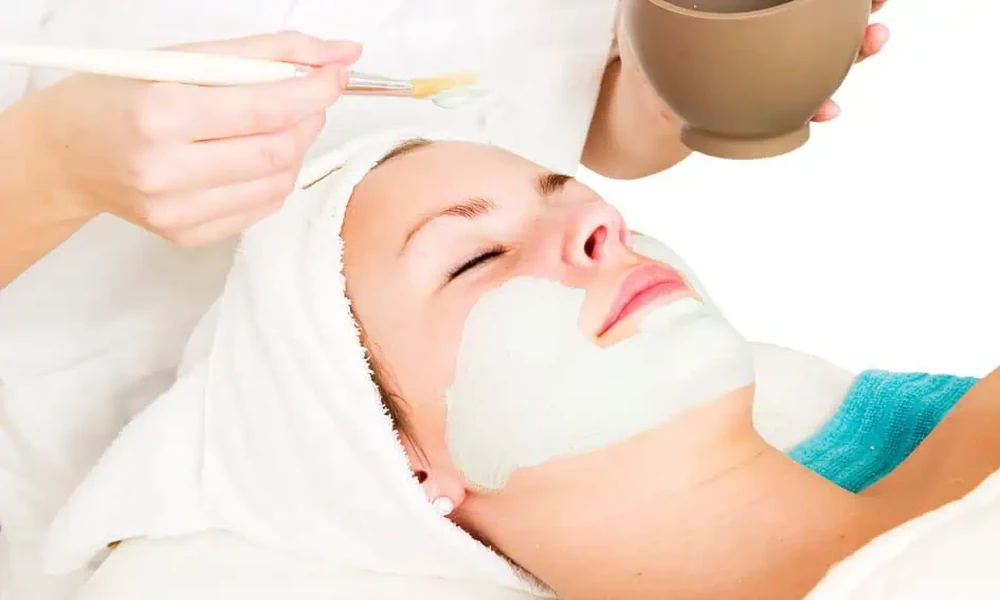
A facial menu can help you find a service to ask about, but it cannot tell a provider whether that service suits you. Names, devices and product ranges describe an offer; the consultation connects that offer to your circumstances. The useful starting point is therefore not the most impressive treatment name. It is a short description of what prompted the appointment, what you are comfortable discussing and what you need to understand before agreeing to anything.
This matters particularly when several entries sound like different versions of the same promise. A customer scrolling on a phone may see a facial, a peel and a device-led procedure together and assume the only difference is price. Instead of ranking those options independently, use the page to prepare a conversation. You should be able to leave that conversation understanding what has been proposed, without having to become a skincare specialist first.
Describe the situation before naming a procedure
Start with the reason you opened the menu. Perhaps you want a personal-care appointment after a busy period, or you are curious about professional skincare but have never booked it before. Perhaps a change in how your skin feels is worrying you. Those situations do not all call for the same next step. A booking employee can explain the service process, while a medical concern may require assessment by an appropriate healthcare professional rather than a cosmetic appointment.
Use observations instead of trying to supply a diagnosis. “My usual products have started feeling uncomfortable” provides more useful context than borrowing a condition name from a social post. Note when you noticed the change and any products or treatments you have recently tried. You do not need to decide what caused it. The point is to bring accurate information to someone who can explain the limits of their role and direct you appropriately.
Keep your preferences separate from those observations. Wanting minimal conversation, having a firm spending limit or preferring a shorter appointment are legitimate booking considerations, but none establishes whether a particular procedure is appropriate. A clear brief gives both kinds of information their own space. That reduces the chance that the provider interprets “I only have an hour” as agreement to whatever can be squeezed into it.
Ask for the appointment in plain language
Request a description of the proposed visit from arrival to departure. Who carries out the consultation? Which parts of the service are included? At what point is the final treatment choice made? What happens if the original booking is not suitable after that conversation? These are ordinary consumer questions. They help distinguish a provisional time reservation from a commitment to a particular procedure.
For a local example, Santé Healing Spa’s esthetic service menu lists several cosmetic procedures and facial-related options in Thornhill. The list gives a prospective guest concrete terms to ask about; it does not remove the need to discuss individual fit. Confirm the current offer, the practitioner involved and what the quoted appointment includes directly with the spa before making a choice.
For cosmetic procedures, the American Academy of Dermatology’s consultation questions cover matters such as practitioner experience, realistic outcomes, risks and recovery. That medical guidance is a reminder to investigate who will perform a procedure and whether their qualifications match it. A welcoming room or a familiar product brand is not evidence of clinical training, and this article does not imply that a spa visit replaces a dermatologist’s assessment.
Listen for an explanation you can repeat without the menu in front of you. If the answer is another string of branded terms, ask what those words mean during the appointment. A useful explanation need not be dramatic. “We will first discuss your history and decide whether to proceed” may be more informative than a sweeping promise about transformation.
Separate the booking decision from a product purchase
The service and the retail shelf are related, but they are not the same purchase. Find out whether any proposed home products are optional, included in the price or considered part of a specific preparation or follow-up plan. If additional items are necessary to a proposed procedure, their cost and purpose belong in the decision before you agree, not as a surprise at checkout.
It helps to state your budget as a total rather than just an appointment price. For example, a customer might have room for one visit but no interest in replacing an entire existing routine. That is a practical constraint, not an invitation to bargain over suitability. Ask for alternatives or time to consider the recommendation if the proposed commitment exceeds what you intended.
A photograph of the products you already use can make this discussion more concrete. It prevents confusion between similar packaging and avoids relying entirely on memory. Let the relevant professional explain any recommended changes; do not independently stop prescribed care because a cosmetic package sounds appealing. You can decline a same-day retail decision while still taking the consultation seriously.
Leave with instructions you can actually use
Before leaving, clarify what applies to the service you actually received, rather than the one you originally considered. Ask where any preparation or aftercare instructions are recorded, who answers follow-up questions and what circumstances call for medical attention. A general leaflet may be useful, but unresolved individual questions still deserve an answer from the appropriate professional.
Make a brief record of the chosen service and the date. If you later compare another provider or discuss the visit with a clinician, specific information is more useful than remembering that you had “the deluxe facial.” You need not document every minute; keep enough detail to describe the experience accurately.
The final test is simple: could you explain the proposed appointment back to the provider, including its limits and any remaining uncertainty? If not, the next step is another question, not a more expensive menu item. A facial booking becomes a considered choice when its details make sense to the person receiving it.
