Archive

August 2026

Browsing

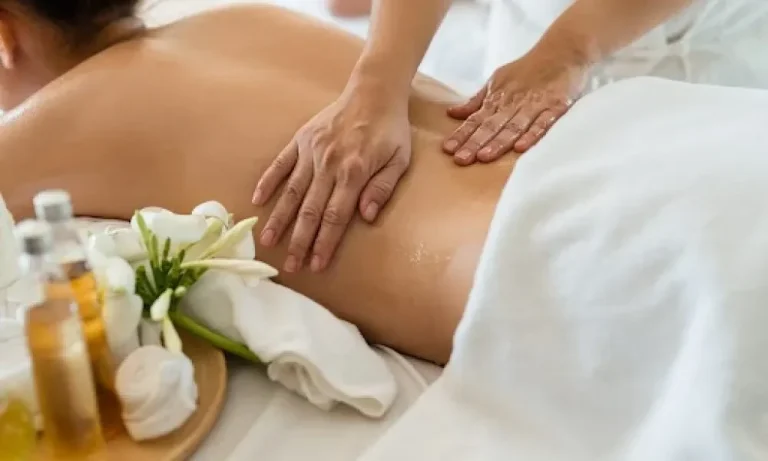
Now is the right time to restore a bit of that inner and outer radiance of your skin. You look for a self-care solution through lymphatic face massage.

A lymphatic facial is a specialized massage technique that speeds up lymphatic drainage in the face. You can consider this massage a new skincare secret weapon. The massage drains the lymph nodes by working the surface level of the skin.

Lymphatic drainage

An active lymphatic system uses natural movements to do this. Other factors cause fluids to build up in the lymph system and lymph nodes, such as:

  • surgery
  • medical conditions
  • other damage

A doctor suggests that lymphatic drainage massage is performed by a certified massage therapist. This is the usual case if you have had any involvement with your lymph nodes. Lymphatic massage is not recommended for people with conditions such as:

  • congestive heart failure
  • current infection
  • history of blood clots or stroke
  • kidney problems
  • liver problems

Lymphedema

Lymphedema is a side effect of the procedures. This affects your lymph nodes. Lymphedema occurs in the area near the surgical area.

For example:

If your lymph nodes were removed for cancer surgery to your left breast, it only affects the left arm and not the right arm.

Lymphedema occurs as a result of injury or any medical conditions, such as:

  • congestive heart failure
  • blood clots

Lymphatic massage uses gentle pressure. It moves waste fluids away from the damaged area. It is a technique to reduce lymphedema.

Fluid buildup is uncomfortable. The condition causes:

  • Pain
  • Heaviness

Stage 3 lymphedema is discomfortable. Depression and lack of mobility complicate healing.

Performing lymphatic massage needs to include more than just addressing the affected area. You must target the entire lymphatic system of the body, except the right side of the chest, where the right arm drains near the left shoulder. Thus, a massage must include all areas to drain properly.

Clearing and reabsorption

There are two stages of lymphatic massage:

  • clearing
  • reabsorption

Clearing stage

The purpose of clearing is to create a vacuum with a gentle pressure. It makes the area bring more fluid, creating a flushing effect.

The clearing involves:

  • supraclavicular lymph area. It is located directly under the collarbone
  • axillary lymph area. It islocated under the arms
  • inside of the elbows

You can repeat the clearing motions many times, 10 times a day. Always massage both sides of your body. It is not just the side with the lymphedema.

Reabsorption stage

Lymphatic massage on the legs opens the lymphatic vessels for the excess fluid to drain back into the lymph nodes. There are techniques used to perform lymphatic massage on the legs. They all have the same goal. It is to release the fluid to go back through the lymph nodes.

FAQs

What are the three stages of clearing in lymphatic massage?

There are three stages to clearing, such as:

How to perform the lymphatic massage on the legs?

You can perform lymphatic massage on the legs by starting at the upper body. Follow the three stages of clearing in order:

Enhancing a daily beauty routine with premium cosmetics changes the experience of getting ready as much as it changes the result. Better formulations feel different on the skin, perform differently through the day, and often simplify the routine because each product does more. Two brands that represent genuinely different approaches to this elevation are Forest Essentials and Kiko Milano.

Forest Essentials: Luxury Rooted in Ayurveda

Forest Essentials occupies a unique position in the premium beauty space. The brand draws from Ayurvedic tradition and uses ingredients like pure rose water, sandalwood, and cold-pressed oils in formulations that prioritise skin health alongside appearance. Their skincare range, which forms the base of any beauty routine, is among the most considered available in India.

A Forest Essentials skin preparation routine changes the surface that makeup works on. When the skin is genuinely nourished rather than simply hydrated at the surface, base products sit more evenly and the final look reads as more luminous. Their facial oils and serums work particularly well as a prep step before a light foundation or tinted moisturiser.

Product Category Forest Essentials Focus Kiko Milano Focus
Skin prep Ayurvedic oils, serums Primers, hydrating base
Base Tinted moisturisers Full foundation range
Colour Lip and cheek naturals Broad colour collection
Finish Natural, skin-forward High finish, long wear

Kiko Milano: Italian Colour at an Accessible Premium

Kiko Milano approaches premium cosmetics from the colour and finish end of the spectrum. The Italian brand produces a wide range of lip, eye, and base products with formulations and colour ranges that sit well above their price point. Their eyeshadow palettes are particularly well regarded for pigmentation and blendability.

Kiko Milano lipsticks, particularly their Velvet Passion Matte range, deliver full-coverage colour with a comfortable wear that most matte formulas at comparable price points do not achieve. For anyone wanting to add depth and precision to their colour routine, Kiko is the more appropriate starting point of the two.

Combining Both in One Routine

The two brands complement rather than duplicate each other. Forest Essentials handles skin preparation and base, bringing the skin itself to a better starting point. Kiko Milano handles colour, finish, and expression, building the visible look on top of what Forest Essentials has established.

A morning routine that moves through Forest Essentials serum, moisturiser, and tinted base before Kiko Milano eye and lip colour covers both the care and the aesthetic dimensions of a premium beauty routine in one sequence.

To Wrap Up

Forest Essentials and Kiko Milano represent two distinct approaches to premium beauty on AJIO. Together they cover skin prep through colour and finish across 1,000+ options. Returns are accepted within 30 days of delivery.

FAQs

1. What makes Forest Essentials different from other skincare brands?

The formulations draw from classical Ayurvedic texts and use traditional ingredients processed with traditional methods. Cold-pressed oils, steam distilled botanicals and herb infused bases, not synthetic substitutes.

2. Is Kiko Milano available in India through AJIO?

Yes. AJIO stocks a selection of Kiko Milano products across their lip, eye, and base categories.

3. Can Forest Essentials products be used under makeup?

Yes. Their facial oils and serums work well as a prep base. A lightweight application fully absorbed before primer or foundation does not affect the makeup application above it.

4. Which Kiko Milano product is the best starting point?

Their eyeshadow palettes offer the clearest demonstration of the brand’s formula quality. The pigmentation and blendability stand out relative to price point and give an accurate sense of what the rest of the range delivers.

5. Is a premium skincare base worth the investment for everyday makeup?

The improvement in how makeup sits and how long it lasts on well-prepared skin is visible and consistent. The investment in the base layer reduces the amount of makeup product needed and extends its wear.

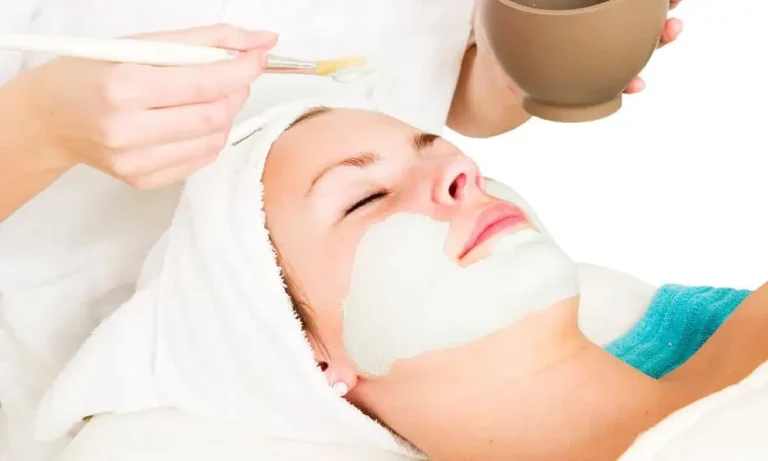
A facial menu can help you find a service to ask about, but it cannot tell a provider whether that service suits you. Names, devices and product ranges describe an offer; the consultation connects that offer to your circumstances. The useful starting point is therefore not the most impressive treatment name. It is a short description of what prompted the appointment, what you are comfortable discussing and what you need to understand before agreeing to anything.

This matters particularly when several entries sound like different versions of the same promise. A customer scrolling on a phone may see a facial, a peel and a device-led procedure together and assume the only difference is price. Instead of ranking those options independently, use the page to prepare a conversation. You should be able to leave that conversation understanding what has been proposed, without having to become a skincare specialist first.

Describe the situation before naming a procedure

Start with the reason you opened the menu. Perhaps you want a personal-care appointment after a busy period, or you are curious about professional skincare but have never booked it before. Perhaps a change in how your skin feels is worrying you. Those situations do not all call for the same next step. A booking employee can explain the service process, while a medical concern may require assessment by an appropriate healthcare professional rather than a cosmetic appointment.

Use observations instead of trying to supply a diagnosis. “My usual products have started feeling uncomfortable” provides more useful context than borrowing a condition name from a social post. Note when you noticed the change and any products or treatments you have recently tried. You do not need to decide what caused it. The point is to bring accurate information to someone who can explain the limits of their role and direct you appropriately.

Keep your preferences separate from those observations. Wanting minimal conversation, having a firm spending limit or preferring a shorter appointment are legitimate booking considerations, but none establishes whether a particular procedure is appropriate. A clear brief gives both kinds of information their own space. That reduces the chance that the provider interprets “I only have an hour” as agreement to whatever can be squeezed into it.

Ask for the appointment in plain language

Request a description of the proposed visit from arrival to departure. Who carries out the consultation? Which parts of the service are included? At what point is the final treatment choice made? What happens if the original booking is not suitable after that conversation? These are ordinary consumer questions. They help distinguish a provisional time reservation from a commitment to a particular procedure.

For a local example, Santé Healing Spa’s esthetic service menu lists several cosmetic procedures and facial-related options in Thornhill. The list gives a prospective guest concrete terms to ask about; it does not remove the need to discuss individual fit. Confirm the current offer, the practitioner involved and what the quoted appointment includes directly with the spa before making a choice.

For cosmetic procedures, the American Academy of Dermatology’s consultation questions cover matters such as practitioner experience, realistic outcomes, risks and recovery. That medical guidance is a reminder to investigate who will perform a procedure and whether their qualifications match it. A welcoming room or a familiar product brand is not evidence of clinical training, and this article does not imply that a spa visit replaces a dermatologist’s assessment.

Listen for an explanation you can repeat without the menu in front of you. If the answer is another string of branded terms, ask what those words mean during the appointment. A useful explanation need not be dramatic. “We will first discuss your history and decide whether to proceed” may be more informative than a sweeping promise about transformation.

Separate the booking decision from a product purchase

The service and the retail shelf are related, but they are not the same purchase. Find out whether any proposed home products are optional, included in the price or considered part of a specific preparation or follow-up plan. If additional items are necessary to a proposed procedure, their cost and purpose belong in the decision before you agree, not as a surprise at checkout.

It helps to state your budget as a total rather than just an appointment price. For example, a customer might have room for one visit but no interest in replacing an entire existing routine. That is a practical constraint, not an invitation to bargain over suitability. Ask for alternatives or time to consider the recommendation if the proposed commitment exceeds what you intended.

A photograph of the products you already use can make this discussion more concrete. It prevents confusion between similar packaging and avoids relying entirely on memory. Let the relevant professional explain any recommended changes; do not independently stop prescribed care because a cosmetic package sounds appealing. You can decline a same-day retail decision while still taking the consultation seriously.

Leave with instructions you can actually use

Before leaving, clarify what applies to the service you actually received, rather than the one you originally considered. Ask where any preparation or aftercare instructions are recorded, who answers follow-up questions and what circumstances call for medical attention. A general leaflet may be useful, but unresolved individual questions still deserve an answer from the appropriate professional.

Make a brief record of the chosen service and the date. If you later compare another provider or discuss the visit with a clinician, specific information is more useful than remembering that you had “the deluxe facial.” You need not document every minute; keep enough detail to describe the experience accurately.

The final test is simple: could you explain the proposed appointment back to the provider, including its limits and any remaining uncertainty? If not, the next step is another question, not a more expensive menu item. A facial booking becomes a considered choice when its details make sense to the person receiving it.